
🇭🇷 Croatia
Dubrovnik quiz
In Quizdom, Dubrovnik is a map with 49 landmarks and 2,184 questions about the city’s history, culture and everyday life. Walk to a location, take the quiz and claim it.
- landmarks
- 49
- questions
- 2,184
- Map
- Illustrated city map
Questions about Dubrovnik
The game has 2,184 questions about the city across 13 topics. Here is how they split by topic and difficulty.
By topic
- History504
- Architecture272
- Culture266
- Nature247
- Local life213
- Geography178
- Food and drink144
- Sea and seafaring98
+ 5 more topics
By difficulty
- Easy97
- Medium578
- Hard895
- Expert614
A quiz at a location picks five questions. Every answer comes with a short explanation.
Landmarks in Dubrovnik
Every landmark is a location in the game. Open one for its description and its quiz.
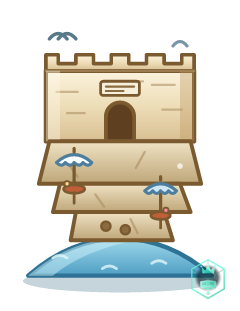 Buža barA cult bar 'in the hole' set into the city walls, with terraces on the rocks above the sea; buža means the hole in the wall you step through to reach it.
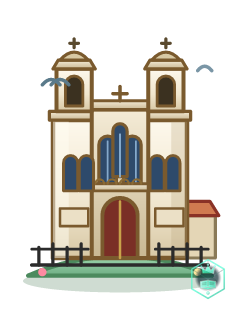 Crkva sv. BlagovještenjaAn Orthodox church of 1877 in Od Puča street; the Republic allowed no Orthodox church inside the walls, so the first was built only in 1848 at Boninovo. A museum of icons stands beside it.
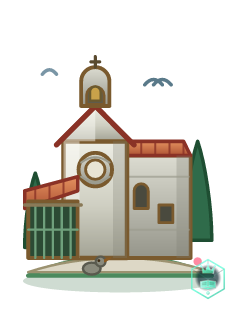 crkva svetog MihajlaOne of the oldest shrines of the Dubrovnik area, known in the 11th century as St Michael among the pines. Beside it lies a cemetery of tall cypresses, opened when burial inside churches was banned.
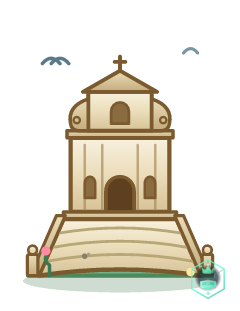 Crkva sv. IgnacijaThe largest Baroque church in the city, completed in 1725 to a design by Andrea Pozzo modelled on the church of St Ignatius in Rome. The stairway before it was conceived by Pietro Passalacqua in 1738.
 Crkva sv. VlahaThe Baroque church of the city's patron, raised in 1715 by the Venetian Marino Gropelli. Its gilded statue of St Blaise holds a model of Dubrovnik before the 1667 earthquake, the key source for the old city.
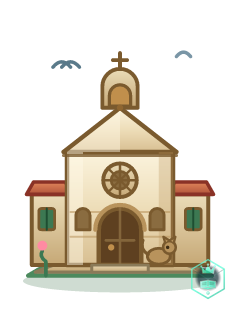 DominoThe church of All Saints, known locally as Domino, is recorded as early as 1272 and is Dubrovnik's only three-nave 15th-century church; after the 1667 earthquake its interior was rebuilt in Baroque style.
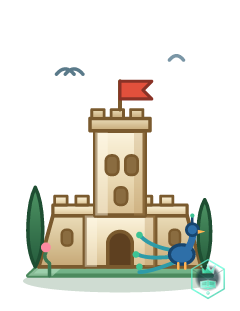 Fort RoyalA star-shaped fort on the highest point of Lokrum, ordered by Napoleon in 1806 and finished around 1835 under Austrian rule. It commands the city, the port and every approach from the sea.
 Gradski zvonikThe clock tower closing the eastern end of Stradun on Luža square, where the bronze figures Maro and Baro strike the hours; the present tower was raised in 1929 to the design of the 1444 original.
 Gruž MarketA lively open-air market offering seafood and flowers as well as fruit and vegetables from local growers.
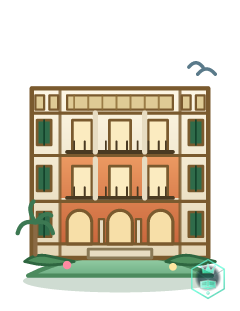 Hilton Imperial DubrovnikDubrovnik's oldest hotel, opened in 1897 as the Grand Hotel Imperial; it was the first in town with electric light, running hot water and a lift. Heavily shelled in 1991, it reopened in 2005.
 Hotel Dubrovnik PalaceA large hotel on the western tip of the Lapad peninsula, facing the open sea and the Elaphiti islands, in the part of town where Dubrovnik's hotel tourism grew from the 1960s.
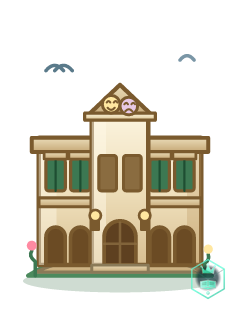 Kazalište Marina DržićaThe city drama theatre of 1865, raised on the site of the council hall where Dundo Maroje premiered in 1551. Known as the Bondino until 1943, it took its present name in 1967.
 Križ na SrđuA stone cross on the summit of Srđ, first raised in 1935. It was brought down by shelling on St Nicholas' Day in 1991, and a new cross was blessed in 1997.
 LovrijenacA fortress on a crag 37 metres above the sea, guarding the western approach. Its seaward walls run up to twelve metres thick, those facing the city barely half a metre - so its guns could break a mutinous garrison.
 LužaThe square at the eastern end of Stradun, named after the former city loggia. Sponza, the Bell Tower, St Blaise's church and Roland's Column stand around it, making it the centre of public life for centuries.
 Mala Onofrijeva fontanaA fountain set up in 1446 beside the old market on Luža square, which it supplied with water. Unlike the great one it was conceived as sculpture: Petar Martinov of Milan carved its masks and dolphins.
 Minčeta robna kućaA multi-storey shopping centre with shops, a pizzeria, a casino with slot machines and a beauty salon.
 Most dr. Franja TuđmanaA cable-stayed bridge some 518 metres long that has carried the main road over the Rijeka dubrovačka inlet since 2002. Before it, traffic into the city had to go around the whole bay.
 Muzej domovinskog rataA museum on the ground floor of the Imperial fortress atop Srđ, opened in 2008; its display on the 1991-1995 defence of Dubrovnik stands on the city's very first line of defence.
 Orlandov stupDubrovnik's oldest public sculpture (1418), the work of Bonino da Milano; it shows the knight Roland, a symbol of the Republic's freedom. The Dubrovnik cubit (51.2 cm) was measured by his forearm.
 Palača SponzaAn elegant 16th-century palace with a courtyard, today home to the state archive, whose holdings run from 1022 to the present day.
 Plaža BellevueThis small pebble beach at the foot of rocky cliffs is a popular spot for swimming and sunbathing.
 Plaža Sveti JakovA beach in a sheltered cove east of the old town, reached by a long stairway - which is why it stays quieter than the city beaches. Facing south-west, it looks out on the walls and Lokrum.
 Pomorski muzejThe museum of Dubrovnik's seafaring, founded in 1949 and housed since 1952 in the fortress of St John. It keeps over five thousand items: ship models, nautical instruments, charts and logbooks.
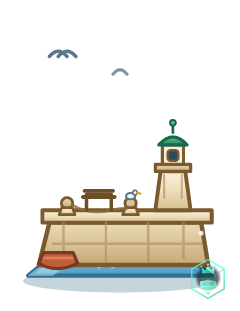 PorporelaA 19th-century city landmark and promenade, a popular place for a stroll, sea views, shops and restaurants.
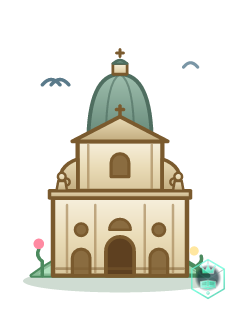 Prvostolnica Uznesenja Blažene Djevice MarijeAn early 18th-century Baroque cathedral holding a Titian triptych and works by Italian masters.
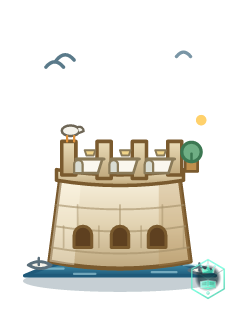 Restauran 360°A restaurant in Dubrovnik's Arsenal, by the walls above the old port. The local kitchen joins sea and hinterland: šporki makaruli, zelena menestra, Mali Ston oysters and Pelješac wines.
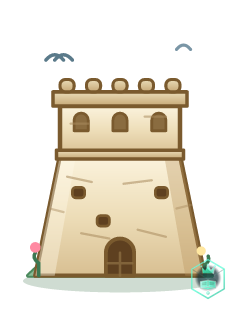 RevelinA free-standing fortress before the Ploče Gate, built from 1538 to designs by Antonio Ferramolino of Bergamo; while it went up, every other building project in the city was halted.
 Spomenik Marinu DržićuA charming monument to Marin Držić, one of Dubrovnik's most important writers and playwrights.
 Športska dvorana Gospino poljeThe city's main hall for indoor and school sport, in a town whose number one sport is water polo: since its founding in 1923, Jug has won thirty-six national championships.
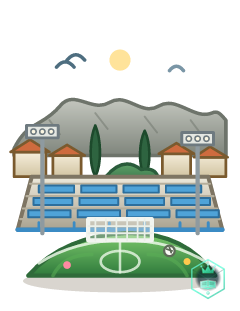 Stadion LapadA football ground ringed by pine forest on the Lapad peninsula, the part of town built up from the 1960s because the walled old core had no room for such facilities.
 Sveučilište u DubrovnikuCroatia's youngest public university, founded in 2003, with roots in the nautical school opened here in 1852. It is known for its maritime and tourism studies and its marine sciences.
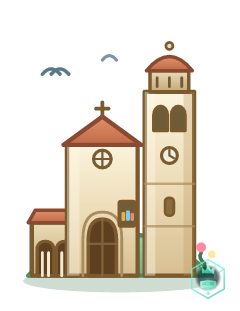 Sv. FranjoThe Friars Minor monastery at the western end of Stradun, whose cloister of 1360 with 120 columns is the work of Mihoje Brajkov of Bar. Its pharmacy of 1317 is the longest continuously working in Europe.
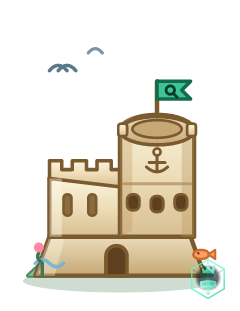 Sv. IvanThe fortress closing the southern end of the walls and guarding the old port, whose entrance was once shut by a chain stretched across to the fort of St Luke. It now holds the Aquarium and the Maritime Museum.
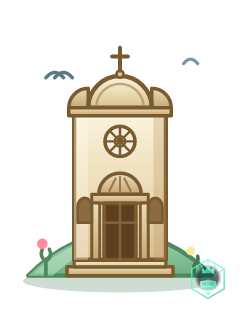 Sv. SpasA votive church built between 1520 and 1528 in thanks that the earthquake of that year took no more lives. The work of Petar Markov Andrijić of Korčula, it counts as the city's first true Renaissance building.
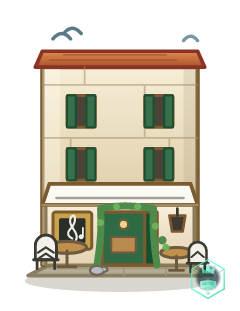 TroubadourA legendary jazz bar in the old town beside the cathedral, known for its live evening concerts.
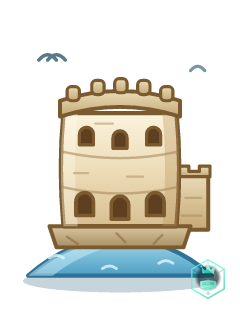 Tvrđava BokarA casemated fortress raised by Michelozzo between 1461 and 1463 as the key defence of the Pile Gate. Its cylindrical body juts out beyond the wall, so it covered the moat and the bridge before the gate too.
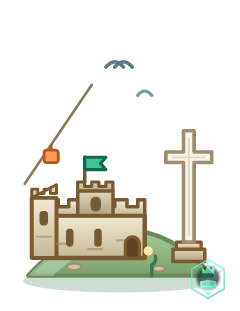 Tvrđava ImperialA fortress on the summit of Srđ, raised under French rule on Napoleon's orders. On 6 December 1991 its handful of defenders repelled the decisive attack on Dubrovnik.
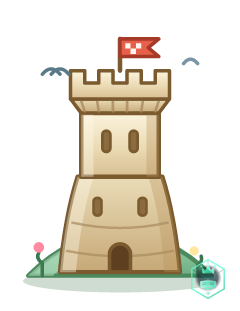 Tvrđava MinčetaThe highest point of the city walls and the mainstay of the landward defence. The square tower of 1319 was wrapped in a broad round fort by Michelozzo in 1461 and finished in 1464 to Juraj Dalmatinac's design.
 Utvrda StrinčjeraAn Austrian-era fort at about 400 metres of altitude, north-west of Imperial; it watches the northern and eastern slopes of Srđ and takes its name from the Italian word trincera.
 Uvala Lapad BeachA swimming spot with a partly pebble, partly concrete shore fitted out with sunbeds and parasols.
 Velika Onofrijeva FontanaA circular fountain of spring water built in 1438 and decorated with lavish masks carved in stone.
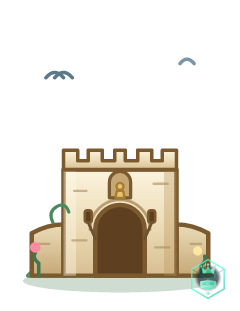 Vrata od PilaThe main, western entrance to the old town: the outer gate was raised in 1537 and is reached by an arched stone bridge, with Ivan Meštrović's statue of St Blaise in the niche above the passage.
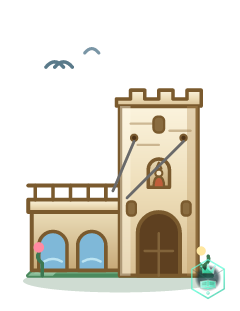 Vrata od PločaThe eastern entrance to the old town, in use since the 15th century and shielded by the Revelin fortress; caravans and merchants from the hinterland reached Dubrovnik through it.
More locations in the game
Konoba Dubrava · Kula sv. Marije · Restaurant Posat · Restaurant Sesame · Stradun
Nearby cities
Conquer Dubrovnik with knowledge
The account is free. Take your phone for a walk and start with the nearest landmark.
Create a free account