
🇭🇷 Croatia
Zagreb quiz
In Quizdom, Zagreb is a map with 182 landmarks and 6,550 questions about the city’s history, culture and everyday life. Walk to a location, take the quiz and claim it.
- landmarks
- 182
- questions
- 6,550
- Map
- Illustrated city map
Questions about Zagreb
The game has 6,550 questions about the city across 13 topics. Here is how they split by topic and difficulty.
By topic
- Culture1,852
- History1,502
- Geography718
- Local life616
- Architecture498
- Language416
- Sport238
- Religion224
+ 5 more topics
By difficulty
- Easy905
- Medium2,293
- Hard2,408
- Expert944
A quiz at a location picks five questions. Every answer comes with a short explanation.
Landmarks in Zagreb
Every landmark is a location in the game. Open one for its description and its quiz.
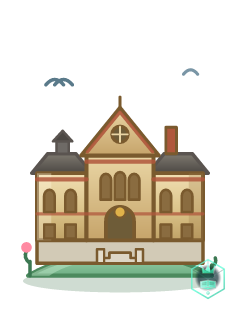 Akademija dramskih umjetnostiCroatia's oldest college of performing and audiovisual arts, rooted in the drama school of 1896. It was organised as an academy in 1950, and Ante Babaja started its film studies in 1967.
 Akademija likovnih umjetnosti u Zagrebu, odsjeci za slikarstvo, grafiku i kiparstvoAn academy founded in 1907, from the start in the Ilica 85 building designed by Herman Bollé. Ivan Meštrović taught here from 1922 and was rector from 1923; the academy now has six departments.
 Arheološki muzejA museum in the Vranyczany palace by Zrinjevac, independent since 1939, holding some 450,000 objects. Its most famous are the Zagreb Linen Book, the longest surviving Etruscan text, and the Zagreb mummy.
 Arhitektonski fakultetA faculty independent since 1962, though architecture has been taught in Zagreb since 1919 at the Technical High School. Domus magazine has ranked it among Europe's 50 best schools of architecture.
 Art parkCroatia's first street art park, made in 2016 on neglected ground below the Strossmayer promenade. The Pimp my Pump collective and the Lapo Lapo studio covered its walls with murals and installations.
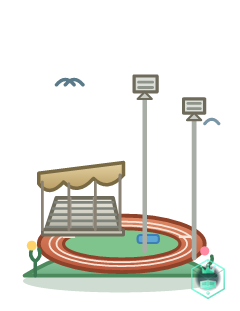 Atletski stadion MladostZagreb's only athletics stadium that meets international standards, laid out for the 1987 Universiade. It is the main venue of the Boris Hanžeković Memorial, a meeting held since 1951.
 Avenue MallA popular retail complex with department stores, boutiques of well-known brands, restaurants and a cinema.
 Utrina Swimming Pool ComplexCity pool complex in Zagreb's Utrina district with a 50 × 25 m Olympic pool and a separate diving pool. It opened in 2004 and serves swimming clubs and recreational swimmers.
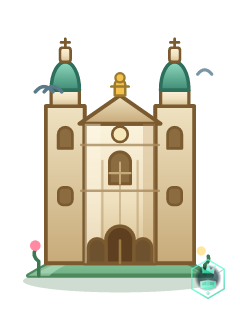 bazilika Presvetog Srca IsusovaThe Jesuit church in Palmotićeva street, designed by Janko Holjac, consecrated in 1902 and raised to a minor basilica in 1941. After the cathedral it is Zagreb's largest church; the 2020 earthquake hit it hard.
 Bistro BeštijaA bistro of modern Croatian cooking in the city centre, several times a holder of a Michelin recommendation and a Bib Gourmand.
 BoogalooA cult club in the building of the former OTV centre on Vukovarska; in the 1990s, as The Best, it was a hub of Zagreb's electronic scene, and today it is a concert stage.
 BooksaA cultural club and bookshop café in Martićeva, a gathering place for writers and readers and a venue for literary evenings.
 Botanički vrtA garden founded in 1889 by Professor Antun Heinz, part of Lenuci's Green Horseshoe. It keeps some 7,000 plant species and has been protected as a natural monument since 1971; entry is free.
 Britanski trgA square in the western Lower Town, known locally as Britanac, with a market opened in 1891. Its Sunday fair of antiques and curios has been held here since 2002.
 BundekA lake formed in 1955 by gravel digging for the fairground and the bridges, and turned into a city park in 2005-2006. Its small lake is a habitat for some seventy bird species.
 Novi Zagreb Culture CentreA city institution on Trg Narodne zaštite in Remetinec, home to Galerija VB and to art, language and music workshops for children and adults.
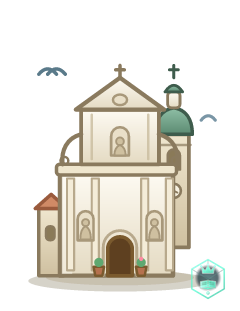 crkva svete Katarine AleksandrijskeThe first Baroque church in Zagreb, built by the Jesuits between 1620 and 1632. It is known for Anton Joseph Quadrio's white stuccowork and Francesco Robba's marble altar of St Ignatius.
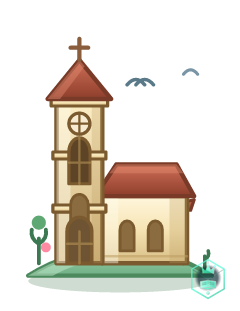 Church of St ClareA parish church from 1768 with a three-storey bell tower and a semicircular apse; the neighbourhood took its name from it. The parish itself dates back to 1366.
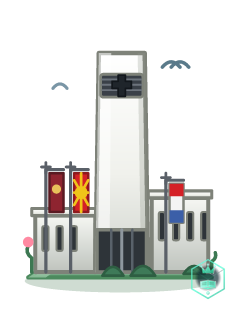 crkva svete Zlate MeglenskeThe first Macedonian Orthodox church in Croatia, consecrated in 2023 in the Knežija district. St Zlata of Meglen was a martyr who died in 1795 for refusing to convert to Islam.
 Church of the Holy AngelsParish church in Savski gaj, built in 1994–1996 and consecrated in 2007; it sits back from the street, leaving a spacious square in front of its raised, porched entrance.
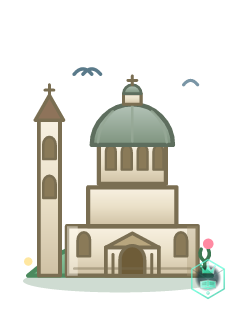 crkva svetog BlažaA parish church built between 1911 and 1913 to a design by Viktor Kovačić, on a Greek cross plan. Its reinforced concrete dome, some 18 metres across, is held to be the first such structure in Croatia.
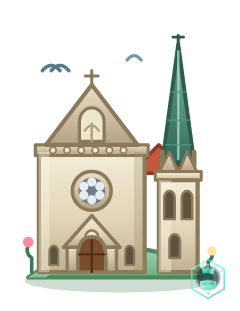 crkva svetog Franje AsiškogA church with a Franciscan monastery on Kaptol, Gothic in origin and raised after the Tatar invasion of 1242. After the 1880 earthquake Hermann Bollé led its neo-Gothic restoration and added a new tower.
 Church of St. John the Apostle and EvangelistThe Utrina parish church in Novi Zagreb, built in 1995–2000 and blessed on its patron's feast day; the parish itself dates from 1969, when it split from Jakuševec.
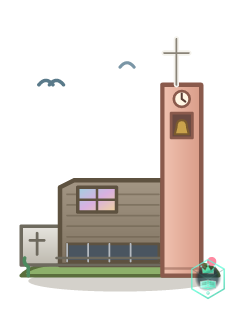 Church of St. Luke the EvangelistA modern parish church in Zagreb's Travno district, consecrated in 2007 and designed by Roman Vukoja and Robert Križnjak; a 2010 finalist in ArchDaily's Building of the Year vote.
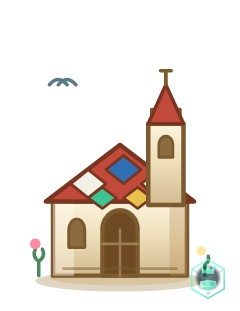 crkva svetog Marka evanđelistaThe parish church of Gradec, Romanesque in origin and rebuilt as a Gothic church in the 14th and 15th centuries. Its south portal, with fifteen statues, is the richest Gothic portal in Croatia.
 Church of St. MatthewThe parish church of Novi Zagreb's Dugave estate, built in 1991–92 but consecrated only in 2006; notable for its elliptical space before the presbytery and a square adaptable to open-air services.
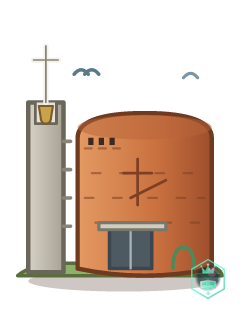 Church of the Body of ChristThe parish church of Sopot in Novi Zagreb, built in 2005 and consecrated in 2013; the parish is named after the Eucharistic feast of Corpus Christi and has included Središće since 2014.
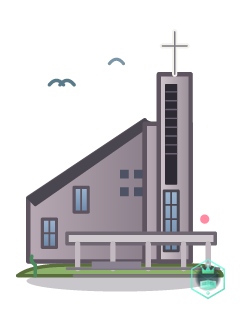 Church of the Ascension of the LordParish church in Sloboština with a prominent bell tower and an Ascension window; built 1997–2001 to a design by Jagoda Bodić and solemnly consecrated only in 2018.
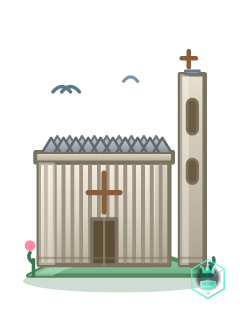 Church of the Exaltation of the Holy CrossThe first modern church in Novi Zagreb, built in Siget between 1971 and 1982. Seventy-four concrete verticals carry its roof, and a free-standing 33-metre campanile stands beside it.
 Dječja knjižnica Marina DržićaA children's branch of the Zagreb City Libraries named after the Dubrovnik playwright Marin Držić, with picture books, school reading and story hours for the youngest.
 Dom sportovaA multi-purpose complex of eight halls, opened in 1972 to a design by Vladimir Turina. Its main hall with an ice rink seats around 6,300; since the 2020 earthquake it has been under major repair.
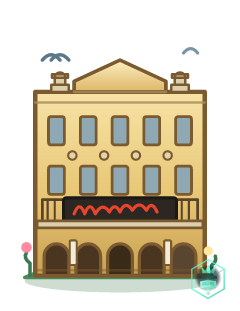 Dramsko kazalište GavellaA theatre founded in 1953, when young actors led by Branko Gavella left the National Theatre. It took his name in 1970; the building was originally the Helios cinema of 1916.
 Kušević-Plavšić ManorA single-storey manor in Mala Mlaka completed by Aurel Kušević by 1864, its landscape park laid out by 1878. It is a protected cultural property of the City of Zagreb.
 Dvorana Dražen PetrovićA hall opened in 1987 for the Universiade, seating some 5,400 and home to Cibona. It has borne Dražen Petrović's name since 1993, and a memorial museum opened inside in 2006.
 Ekonomski fakultet u ZagrebuCroatia's leading school of economics, rooted in the College of Trade and Transport founded in 1920. In 2019 it earned AACSB accreditation, the only institution in Croatia to hold it.
 Etnografski muzejA museum founded in 1919 at the urging of Salamon Berger, who gave it a great collection of folk costume. It occupies the Art Nouveau Crafts Hall of 1903 and keeps some 80,000 items.
 Eugen KumičićA memorial to Eugen Kumičić (1850-1904), author of Začuđeni svatovi and Urota zrinsko-frankopanska and the founder of naturalism in Croatian literature.
 Europski trgA square in the Gornji Grad-Medveščak district near Ban Jelačić Square, reached by Vlaška, Cesarčeva and Kurelčeva streets; it holds the House of Europe and the marker of Croatia's entry into the European Union.
 Evangelička crkvaA neo-Gothic church in Gundulićeva street, built between 1882 and 1884 to a design by Hermann Bollé. Its three bells are named Faith, Hope and Love, and its windows show Christ, Luther and Melanchthon.
 Fakultet elektrotehnike i računarstvaCroatia's leading school of electrical engineering and computing, founded in 1956. It stands in Trnje, marked by its 1963 tower block, and has some 3,700 students and twelve departments.
 Fakultet kemijskog inženjerstva i tehnologijeA faculty carrying on the chemical engineering department founded in 1919. Vladimir Prelog, the 1975 Nobel laureate in chemistry, taught organic chemistry here from 1931 to 1939.
 Fakultet političkih znanostiA faculty founded in 1962, the first academic institution of its kind in the communist Eastern Europe of the day. Croatia's first university journalism programme started here in 1971.
 Filozofski fakultetCroatia's largest institution in the humanities and social sciences, rooted in the Jesuit academy of 1669. It has 23 departments, and its library of some 600,000 volumes is the second largest in the country.
 Fran Krsto FrankopanA memorial to Fran Krsto Frankopan (1643-1671), Baroque poet and leader of the conspiracy against the Viennese court, who wrote Gartlic za čas kratiti in prison before his execution.
 Glas hrvatske žrtve - Zid boliDušan Džamonja's monument unveiled at Mirogoj in 2004, with some 13,650 names of fallen defenders and civilians carved in black marble. It continues the Wall of Pain raised in 1993 outside UNPROFOR's base.
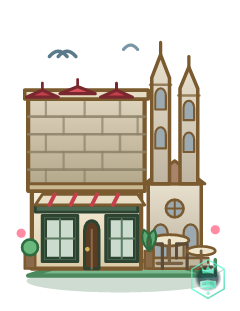 Gostionica FiclekA restaurant of traditional Zagreb cooking with a Michelin recommendation, named after the local word for a small bite - modern takes on dishes such as ajngemahtec and štrukli.
 Gradska kavanaA historic city café on Ban Jelačić Square, for decades a central meeting place for the people of Zagreb.
 Gradsko kazalište TrešnjaA professional theatre for children and young people, rooted in a drama group of 1954. It took the name Trešnja in 1986 and moved in 1999 into Andrija Mutnjaković's building with a 310-seat hall.
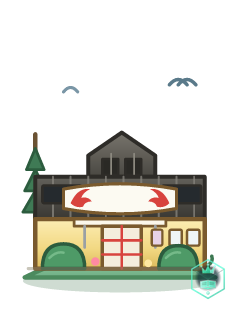 Gradsko kazalište Žar pticaA theatre for children and young people, founded in 1981 by Tomica Milanovski as a touring company and made a city theatre in 1997. It is named after the firebird of Slavic fairy tales.
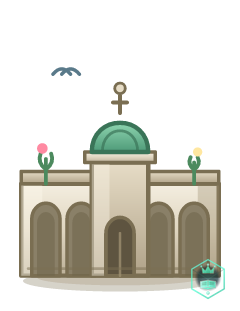 Grobnica narodnih heroja u ZagrebuThe Tomb of the People's Heroes at Mirogoj cemetery, the work of the sculptor Đuro Kavurić, built in 1950; besides the heroes it holds notable figures of the Croatian and Yugoslav labour movement.
 Hendrixov mostA double-track railway bridge built between 1936 and 1939, whose 135.5-metre central span was the largest of its kind when it opened. Its name comes from a graffito written after Jimi Hendrix died in 1970.
 Hilton Garden Inn Zagreb - RadnickaA business hotel of 153 rooms in the Green Gold complex on Radnička, in the city's eastern business zone. Alongside the rooms it offers a restaurant, a bar and a gym open around the clock.
 HNK2The second stage of the Croatian National Theatre, opened in 2025 in Trešnjevka in the complex of its former workshops. Its hall with retractable seating holds about 320 people.
 Hotel DubrovnikA hotel on the corner of Ban Jelačić Square, built in 1929 on the site of the merchant Pavao Hatz's house. It took its present name in 1942, and the glass wing added on Gajeva in 1982 made it recognisable.
 Hotel EsplanadeCroatia's first luxury hotel, opened in 1925 by the main railway station to receive Orient Express passengers. Josephine Baker, Elizabeth Taylor and the Rolling Stones have all stayed here.
 Hrvatski muzej arhitekture HAZUThe Croatian Museum of Architecture in Zagreb was founded in 1995 by broadening the work of the Academy's Cabinet for Architecture and Urbanism, whose rich archive holdings became the museum's founding collection.
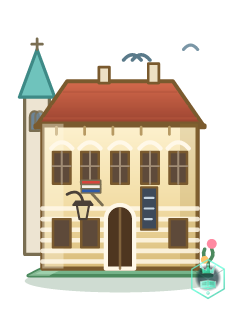 Hrvatski muzej naivne umjetnostiThe first museum of naive art in the world, founded in 1952. Its 1,900 works gather masters of the Hlebine school, such as Ivan Generalić, who painted in oil on glass.
 Hrvatski povijesni muzejThe museum of Croatian history from the Middle Ages onward, with some 300,000 items - arms, flags, decorations and documents. Since 1959 it has occupied the Baroque Vojković-Oršić-Kulmer palace of 1764.
 Hrvatski prirodoslovni muzejA museum in the Amadeo palace of 1796, which also housed Zagreb's first permanent theatre. It keeps over a million specimens, the best known being the Krapina Neanderthal collection.
 Hrvatski željeznički muzejThe Croatian Railway Museum, founded on 19 March 1991 by Croatian Railways, collects, preserves and presents rolling stock, machines, archives and other objects tied to the rise of the railway in Croatia since 1860.
 Hrvatsko narodno kazalište u ZagrebuCroatia's oldest theatre institution, working as such since 1860. Emperor Franz Joseph I opened its neo-Baroque house by Fellner and Helmer in 1895; Vlaho Bukovac painted the ceremonial curtain.
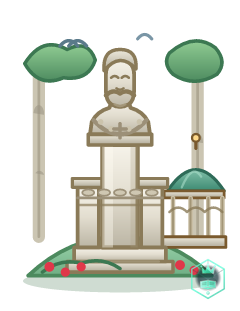 Ivan Kukuljević SakcinskiA memorial to Ivan Kukuljević Sakcinski (1816-1889), who in 1843 gave the first speech in Croatian in Parliament and won the fight to make Croatian the official language.
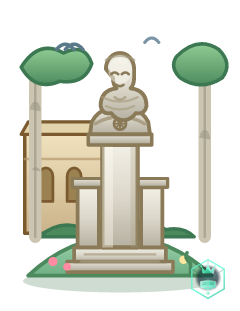 Ivan Mažuranić 1814-1890A memorial to Ivan Mažuranić (1814-1890), poet of The Death of Smail-aga Čengić and the first commoner to become ban, who reformed the courts, the administration and the schools.
 Jadranski mostA bridge built in 1981 to relieve the old Sava bridge; it is the only Zagreb road bridge over the river that carries trams. Its name comes from the route to the Adriatic that starts here.
 Julije Klović 1498-1578A memorial to Julije Klović (1498-1578), master of the Renaissance miniature whom Vasari called the Michelangelo of miniatures; his masterpiece is the Farnese Hours.
 JupiterThe steel sphere of Jupiter, part of Davor Preis's 2004 installation Nine Views, which lays out the Solar System across the city at 1:680 million around Kožarić's Sun.
 Kamenita vrataThe only surviving gate of medieval Gradec (13th century); in the fire of 1731 the painting of the Mother of God was left untouched, and the gate became a shrine hung with votive plaques.
 Kapela Ranjenog IsusaThe Chapel of the Wounded Jesus is a Catholic church in the very centre of Zagreb, in the Lower Town at Ilica 1, close to Ban Josip Jelačić Square.
 kapela svetih apostola Petra i PavlaA funerary chapel at Mirogoj of 1891, the work of Hermann Bollé, raised by the widow Judita Kukulj. It belongs to the Serbian Orthodox Church, and Robert Auer painted its iconostasis.
 katedrala Uznesenja Blažene Djevice Marije i svetih Stjepana i LadislavaThe cathedral of the diocese King Ladislaus founded in 1094; the Tatars destroyed the first building in 1242. After the 1880 earthquake Hermann Bollé led its neo-Gothic restoration, its spires finished in 1898.
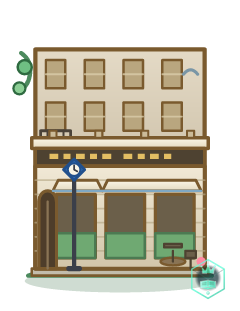 Kavana KavkazThe Kavkaz theatre café on Masarykova, opened in 1899, was a cult haunt of Zagreb's bohemians; Krleža, Matoš and Tin Ujević all frequented it.
 Kazalište KomedijaA theatre founded in 1950 and given over to operetta, musicals and rock operas. Croatia's best-known musical, Alfi Kabiljo's Jalta, Jalta of 1971, was created on this stage.
 Kic art kinoThe cinema of the Cultural and Information Centre in Preradovićeva, an institution founded in 1964 which also runs talks, exhibitions and publishing.
 Kino EuropaA cinema opened in 1925 on Varšavska street to a design by Srećko Florschütz, originally with some 1,100 seats. The Zagreb Film Festival has run it since 2008, and it was listed as heritage in 2013.
 Knjižnica Bogdan OgrizovićA library and reading room in Preradovićeva, known as a lively cultural centre with literary evenings; it is named after a teacher and anti-fascist executed as a hostage.
 Dugave LibraryA Zagreb City Libraries branch in the Dugave district, founded in late 1983, with adult and children and youth departments, a reading room, an audiovisual department and an exhibition space.
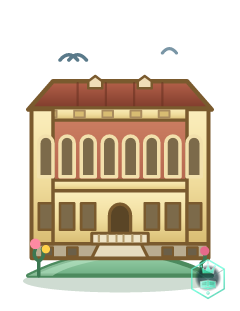 Knjižnica Hrvatske akademije znanosti i umjetnostiA library founded in 1867 that bought Ivan Kukuljević Sakcinski's collection of some 12,000 volumes as early as 1868. It now holds about 300,000 volumes, along with manuscripts and rare books.
 Knjižnica Ivana Gorana KovačićaA branch of the Zagreb City Libraries named after the poet Ivan Goran Kovačić (1913-1943), author of the anti-war poem Jama (The Pit).
 Knjižnica Ivane Brlić MažuranićA library named after Ivana Brlić-Mažuranić (1874-1938), author of Lapitch the Shoemaker's Boy and Tales of Long Ago, the first woman admitted to the Academy.
 Knjižnica KnežijaA branch of the Zagreb City Libraries opened in 1985 in Knežija in Trešnjevka, with adult and children's departments, workshops and author visits.
 Knjižnica Marina DržićaA library named after Marin Držić (1508-1567), the greatest Croatian comic playwright and author of Uncle Maroje, known in the Dubrovnik Renaissance as Vidra.
 Knjižnica MedveščakA branch of the Zagreb City Libraries named after the district and the stream that for centuries divided Gradec from Kaptol. Besides material for all ages it keeps a special collection on Roma culture.
 Savski Gaj LibraryA library on Nehruov trg in Novi Zagreb that opened in 1957 as the Remetinec Library with 1,500 books; since 1985 it has been a Zagreb City Libraries branch called Savski Gaj.
 Knjižnica StaglišćeA branch of the Zagreb City Libraries in Trešnjevka, part of the largest public library network in Croatia, with lending, school reading and a reading room.
 Knjižnica Tina UjevićaA branch of the Zagreb City Libraries named after Tin Ujević (1891-1955), poet of Lelek sebra and Svakidašnja jadikovka.
 Koncertna dvorana Vatroslava LisinskogA concert hall opened in 1973 to a design by Marijan Haberle, its main auditorium seating around 1,850. It is home to the Zagreb Philharmonic and hosts the Zagreb Music Biennale.
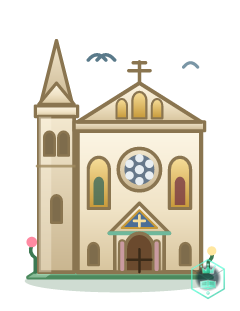 konkatedrala svetog Ćirila i MetodaThe Greek Catholic co-cathedral of the Križevci eparchy in the Upper Town, recast in neo-Byzantine style by Hermann Bollé in 1885-1886. A mosaic ordered from Innsbruck adorns its façade.
 kuglanaAn alley for nine-pin bowling, a sport distinct from American ten-pin bowling and played in two disciplines.
 Kula LotrščakA 13th-century tower that guarded the southern gate of Gradec; its name comes from the thieves' bell that signalled the closing of the gates. Since 1877 the Grič cannon has fired from it every noon.
 Travno Culture CentreA city cultural institution in the 1984 Travno culture house, with a 276-seat auditorium opened in 2007. It is known for running the PIF puppet theatre festival.
 KunstTeatarA theatre association founded in 2018 by the producer Romana Brajša, the actor Domagoj Janković and the director Ivan Planinić to make room for their own generation of authors; its stage is in Trešnjevka.
 Lauba HouseLauba is a privately owned contemporary art gallery in the Črnomerec district of Zagreb, housing the Lauba collection of modern and postmodern Croatian art and hosting foreign artists and arts events.
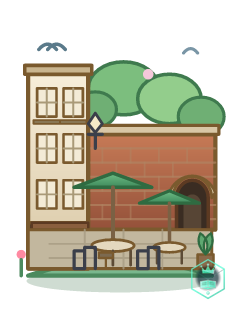 Lovački rog (Jägerhorn)Zagreb's oldest inn, on Ilica since 1827; its guests included Ljudevit Gaj and Ban Jelačić, and its terrace looks out on the Upper Town.
 Mala scenaThe oldest Croatian private theatre for children and young people, founded in 1989. In some thirty years it has staged over 120 premieres and toured as far as the Sydney Opera House.
 MamuticaCroatia's largest residential building: some 240 metres long, 19 residential floors and 1,169 flats housing about 5,000 people. Travno's urban plan first called it Tratinčica.
 ManduševacA well-known fountain on Ban Jelačić Square, of great historical importance; legend has it that Zagreb took its name from it, and it appears as a spring in the coat of arms of Zagreb County.
 Marko MarulićA monument to Marko Marulić (1450-1524), author of Judita, the first great work in the Croatian language; Vlado Radas's statue was unveiled in 1999.
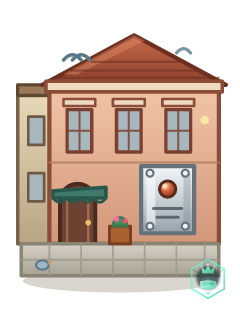 MarsThe steel sphere of Mars in Tkalčićeva, part of the 2004 installation Nine Views, which scatters the Solar System through the city's streets at a scale of 1:680 million.
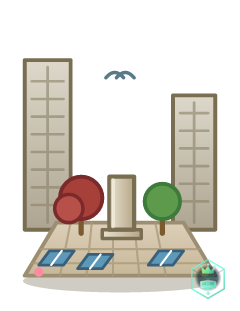 Meštrović SquareThe central pedestrian square of Zapruđe in Novi Zagreb, named after the sculptor Ivan Meštrović; shops and cafés surround it, and the Dan Zapruđa neighbourhood day is held there.
 Meteorološki stupA meteorological column set up on Zrinjevac in 1884, one of the oldest in Europe; made by Herman Bollé, it shows temperature, humidity and air pressure.
 MočvaraKlub Močvara, a cult centre of Zagreb's alternative scene since 1999, housed in the former Jedinstvo factory by the Sava.
 Moderna galerijaThe largest collection of Croatian 19th and 20th-century art, over 10,000 works. Founded in 1905, it has held the historicist Vraniczany palace by Zrinjevac since 1934, and is now the National Museum of Modern Art.
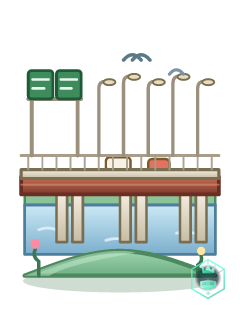 Most mladostiA steel girder bridge of 1974, 300 metres long and 36 wide, linking Trnjanska Savica with Zapruđe. Its central strip was meant for a tram line that was never laid.
 Most slobodeAn arched bridge over the Sava 805 metres long, opened in 1959 to a design by Krunoslav Tonković. Većeslav Holjevac Avenue runs across it, the main link between the city centre and New Zagreb.
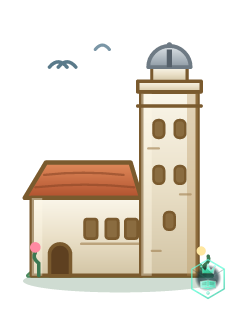 Muzej grada ZagrebaA museum founded in 1907 and housed in the restored Poor Clares' convent of 1650 in Opatička street. It follows the city from Roman finds to today, through Gradec and Kaptol, split by the Medveščak stream.
 Muzej prekinutih vezaA museum founded in 2010 by a former couple, Olinka Vištica and Dražen Grubišić, as the city's first private museum. Its collection is made of objects people worldwide donate after a break-up.
 Museum of Contemporary ArtCroatia's largest contemporary art museum, opened in 2009 in Igor Franić's building on Avenija Dubrovnik. Carsten Höller's double slide runs down through the north wing.
 Muzej za umjetnost i obrtOne of Europe's first museums of applied arts, founded in 1880 at the urging of Izidor Kršnjavi. Herman Bollé designed its purpose-built home in 1888; it holds over 100,000 objects from the 14th century on.
 Nacionalna i sveučilišna knjižnica u ZagrebuThe national library, rooted in the Jesuit library of 1607 and holding some three million items. Its present building, called the Pantheon of the Croatian Book, opened in 1995.
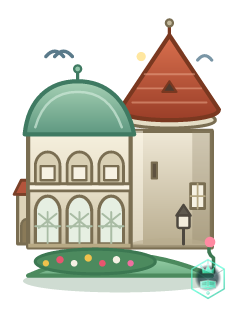 Nadbiskupski dvorThe seat of the archbishops of Zagreb beside the cathedral, once part of the Renaissance fortifications raised against the Ottomans. Within it stands the chapel of St Stephen of 1250, Zagreb's oldest building.
 Nikola Jurišić 1490-1545A memorial to Nikola Jurišić (c. 1490-1545), who in 1532 held Kőszeg with a few hundred defenders and halted the Ottoman advance on Vienna.
 Nikola Tesla 1856-1943Ivan Meštrović's bronze of 1955-1956, shaped from photographs and memory because the sculptor and Tesla never met. It was moved to Masarykova street in 2006, for the 150th anniversary of the inventor's birth.
 NoelA fine-dining restaurant opened in 2016 that in 2019 became the first in Zagreb to win a Michelin star. Its kitchen joins Croatian produce with French and contemporary technique.
 Novi ljetnikovac biskupa HaulikaA country villa in Maksimir of around 1855, raised by Juraj Haulik, the first archbishop of Zagreb and the man behind the park itself. It now houses the parish office of St Jerome.
 Occulto Bar BlatoA cult bar on Masarykova street which, along with Zvečka and Kavkaz, made up Zagreb's famous bohemian 'golden triangle'.
 Palača DverceA palace on Katarina Square, named after the small city gate of the 13th century that stood beside it until 1813. Countess Buratti left it to the City in 1912, and it still hosts official receptions.
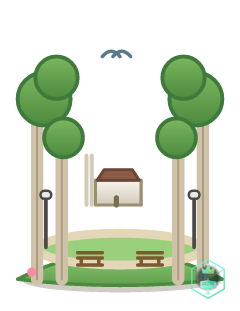 Park of the 102nd Brigade of the Croatian ArmyA park in Novi Zagreb's Siget, east of the Church of the Holy Cross, named in 2010 after the 102nd Brigade of the Croatian Army and its Homeland War members.
 Park kralja Petra SvačićaA small park designed by Viktor Kovačić in 1901 and opened in 1925 for the millennium of the Croatian kingdom. Limes planted that year line its walks, and it is protected as a landscape monument.
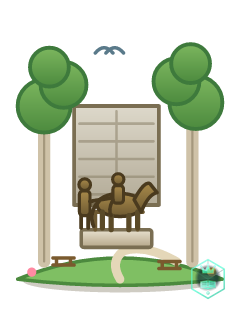 Newlyweds' ParkPark between Trnsko and Siget, described in a school archive as the first park of Novi Zagreb; newlyweds planted trees here from 1964 to 1978, and the sculpture Mladenci stands in it.
 Park RibnjakA park named after the medieval fishponds of the Kaptol clergy, laid out around 1830 in the English landscape style. It holds Augustinčić's sculpture Shame and Bakić's monument to Ivan Goran Kovačić.
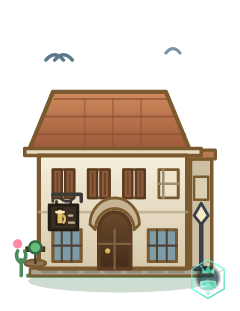 Pod starim krovovimaZagreb's oldest pub, opened in 1830 in Basaričekova in the Upper Town; a haunt of Matoš, Krleža and Ujević, it was immortalised in the 1970 film One Song a Day Takes Mischief Away.
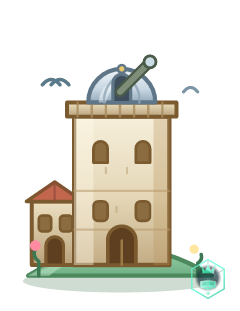 Popov toranjThe surviving tower of the defences of Zagreb's Gradec, raised in the mid-13th century at the top of Opatička street; it was called the Priest's Tower because it belonged to the bishop, and it guarded the northern gate.
 Pravni fakultetOne of Zagreb's oldest faculties, founded in 1776 by decree of Maria Theresa. On Republic of Croatia Square since 1883, its law library of some 200,000 volumes is among the richest in this part of Europe.
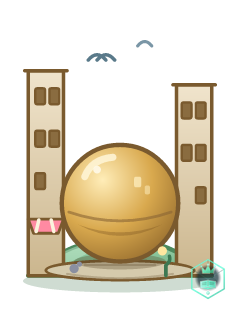 Prizemljeno sunceIvan Kožarić's Grounded Sun, first shown in 1971 and today in Bogovićeva; in 2004 nine steel planets at a scale of 1:680 million were placed around it.
 Remetinec RoundaboutA three-lane roundabout with a 74-metre outer radius, built in 1981 where Jadranski most meets Avenija Dubrovnik. A 2020 rebuild added two tunnels running beneath it.
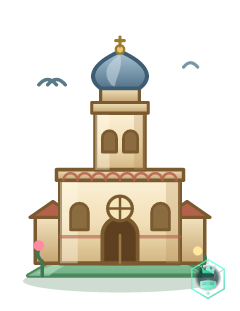 Saborna crkva Preobraženja GospodnjegThe main Serbian Orthodox church in Zagreb, raised in 1866 to a design by Franjo Klein on the site of an older church of St Margaret. Epaminonda Bučevski painted its iconostasis.
 Satiričko kazalište KerempuhThe only satirical theatre in Croatia, founded in 1964 by Fadil Hadžić as the Jazavac satirical cabaret. It took the name Kerempuh in 1994, after the figure in Krleža's Ballads of Petrica Kerempuh.
 SaturnThe steel sphere of Saturn in Račićeva, part of Davor Preis's 2004 installation Nine Views, which scatters the Solar System across the city centre.
 Savski mostThe oldest surviving Zagreb bridge over the Sava, built in 1938 on the piers of the Red Bridge of 1892; today it carries only pedestrians and cyclists.
 Scena VidraA theatre stage in Draškovićeva which from 1981 served for more than four decades as the second stage of the Kerempuh Satirical Theatre.
 Memories of TrnskoA public sculpture in Trnsko, the first Novi Zagreb neighbourhood, laid out from 1960 as a self-contained urban unit on the previously empty Sava floodplain.
 Sokolska mogilaA mound raised in 1925-1926 in Maksimir for the millennium of the Croatian kingdom, to a design by Aleksandar Freudenreich. Soil was brought from 155 historic sites, and ten limes were planted around it.
 Spomenik domoviniThe central monument to the Homeland War and the Croatian state, unveiled in 2020 on Stjepan Radić Square; it consists of the Wall of Light, the Monumentum with an eternal flame and a portal.
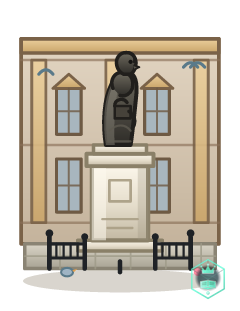 Spomenik fra Andriji Kačiću MiošićuIvan Rendić's bronze unveiled in 1891 and judged the finest public monument of his career. It shows the Franciscan and folk poet who wrote Razgovor ugodni naroda slovinskoga in 1756.
 Spomenik palim hrvatskim vojnicima u Prvom svjetskom ratuA sculptural group by Vanja Radauš and Joza Turkalj of 1939 at Mirogoj, dedicated to the Croats killed in the First World War. Its original inscription was removed in 1945 and only restored in 1995.
 Športsko rekreativni centar TEŽA recreation centre in Trešnjevka that inherited its name from the electric light bulb factory which produced on this site from 1949 to 2006.
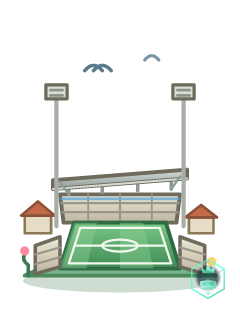 Stadion KranjčevićevaA football stadium in Kranjčevićeva street in Trešnjevka, longest used by NK Lokomotiva and NK Zagreb and, before the Second World War, by HŠK Concordia; the Zagreb velodrome stood here until 2025.
 Stadion MaksimirZagreb's largest football stadium, opened in 1912 and now holding around 35,000. It is the home of Dinamo, who won the Inter-Cities Fairs Cup in 1967 by beating Leeds United.
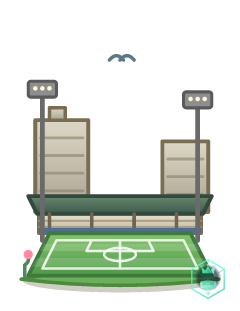 Stjepan Spajić StadiumFootball stadium in Zagreb's Siget district and home of NK Hrvatski dragovoljac. It is named after the club's long-time president and has also hosted rugby tournaments.
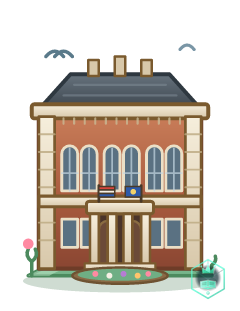 Strossmayerova galerija starih majstoraThe Strossmayer Gallery of Old Masters bears the name of its founder, Bishop Josip Juraj Strossmayer, and is housed in the building of the Croatian Academy of Sciences and Arts in Zagreb.
 Strossmayerovo šetališteA promenade on the southern rampart of Gradec, laid out in the mid-19th century from citizens' donations; alongside Matoš's bench, in summer it becomes the stage of the Summer on Štros festival.
 Sveti JurajAn equestrian statue of St George slaying the dragon, the work of Anton Dominik Fernkorn; the first cast stood near Maksimir in 1867, and the present one was set up in 1908.
 Sveti Juraj ubija zmajaAn equestrian statue by the Stone Gate, set up in 1994, the work of Andreas Kompatscher and Arthur Winder. It is a rare image: the saint does not fight the dragon but prays over an opponent already beaten.
 Sveučilišni kampus Hrvatskog katoličkog sveučilištaA university founded in 2006 by the Archdiocese of Zagreb, with its first intake in 2010. Its campus is in a former barracks in Črnomerec, offering history, psychology, sociology and nursing.
 Teatar EXITOne of Croatia's first independent theatres, founded in 1994 and since 1998 in a converted cinema hall on Ilica. Its best-known production is Saša Anočić's Cowboys of 2008.
 Tehnički muzej Nikola TeslaA museum founded in 1954, with some 13,000 objects, a planetarium of 1965 and a demonstration mine of over 300 metres of tunnels beneath the building. It has carried Nikola Tesla's name since 2015.
 Tiflološki muzejThe Typhlological Museum, whose name comes from the Greek typhlos (blind) and logos (word), is a state institution collecting and presenting material tied to people with disabilities, above all the visually impaired.
 Trešnjevački trgThe heart of working-class Trešnjevka, with the Pod Črešnjom market taken over by Zagreb Markets in 1930; its oldest building is the fish hall of green stone from Medvednica.
 Ana Rukavina SquareCentral square of Trnsko, called Trg Trnsko until 2016; named after the journalist Ana Rukavina, whose letter "Želim život" drew attention to the shortage of bone marrow donors.
 Trg bana JelačićaThe city's main square, once a market ground called Harmica and renamed in 1848 in honour of Ban Josip Jelačić. Anton Fernkorn's equestrian statue was unveiled in 1866, removed in 1947 and returned in 1990.
 Trg Eugena KvaternikaThe square known as Kvatrić, a major tram and bus junction where Maksimir, Peščenica and the Lower Town meet. Its nickname comes from the market that stood here until 2001.
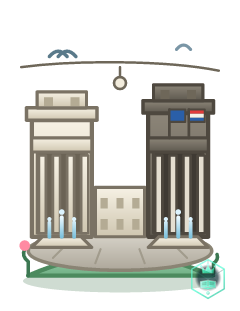 Trg hrvatskih velikanaA square shaped by the 1923 regulation plan on the site of a former fairground. Two symmetrical palaces of 1927 frame it, among them Kovačić's Stock Exchange, today the Croatian National Bank.
 Trg kralja TomislavaThe square before the main railway station, part of Lenuci's Green Horseshoe, named in 1927 after the first Croatian king. Robert Frangeš Mihanović's equestrian monument, cast in 1933, was unveiled in 1947.
 Trg Petra PreradovićaA square off Ilica, known locally as the Flower Square for its long-standing flower trade. Ivan Rendić's monument to Petar Preradović, poet of the national revival, was unveiled here in 1895.
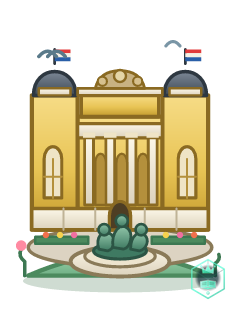 Trg Republike HrvatskeThe grand square of Lenuci's horseshoe, dominated by the National Theatre opened in 1895. Meštrović's Well of Life stands before it, with the university rectorate and the Museum of Arts and Crafts nearby.
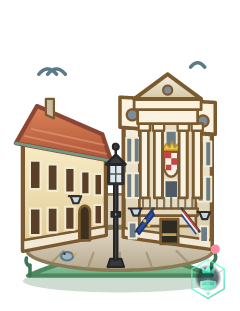 Trg svetog MarkaThe political heart of Croatia, ringed by Parliament, the Banski dvori and the Constitutional Court. St Mark's church stands in the middle, its glazed-tile roof laid in the 1876-1882 restoration.
 Trg žrtava fašizmaA square with the round building conceived by Ivan Meštrović and built in 1934-1938 as the House of Artists. Under the wartime regime it became a mosque with three minarets, pulled down after 1945.
 Tržnica DolacThe city's main market, opened in 1930 on the site of a former cemetery, to a concept by Viktor Kovačić. It is known for its red Šestine parasols and the statue of Kumica Barica, set up in 2006.
 Savski Gaj MarketCity market on Prekratova ulica in the Savski gaj neighbourhood, among the first built on the Sava's right bank. It has an open trading area with benches and display cases, plus kiosks.
 Trnsko MarketCity market in Novi Zagreb's Trnsko, one of the first neighbourhoods built there as a self-contained unit. It has an open trading area with benches plus indoor spaces and kiosks.
 Utrina MarketMarket in eastern Novi Zagreb for which the Utrina neighbourhood is best known. Besides open and covered sections it has a fish market and an area for seasonal sales.
 Tunel GričA 350-metre tunnel under Gradec linking Mesnička and Radićeva streets, designed in 1943 as an air-raid shelter and finished in 1945; a shelter and event space in the Homeland War, it opened to the public in July 2016.
 Tvornica kultureOne of the city's biggest concert clubs, in Šubićeva since the late 1990s; its two halls, the Small and the Big Tvornica, host every major Croatian and foreign name.
 Učiteljski fakultetThe faculty that trains primary teachers and preschool educators, with a tradition going back to the teacher training college of 1919. It took its present name in 2006, with branches in Čakovec and Petrinja.
 Umjetnički paviljonThe oldest purpose-built gallery for large exhibitions in south-eastern Europe. Its iron frame came from the 1896 Millennium Exhibition in Budapest, and it opened in 1898 with the Croatian Salon.
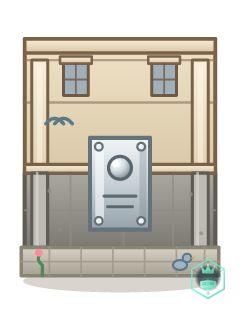 VeneraThe steel sphere of Venus on Ban Jelačić Square, part of the 2004 installation Nine Views; under each sphere is a plate giving the planet's diameter and distance.
 Vladimir NazorThe grave of Vladimir Nazor (1876-1949) at Mirogoj, author of Veli Jože and first president of the parliament of the People's Croatia.
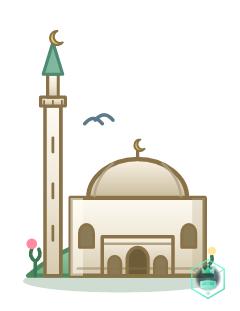 Zagrebačka džamijaThe central mosque of the Islamic Community in Croatia, opened in 1987 to a design by Džemal Čelić and Mirza Gološ. Its minaret rises about 51 metres, and three paraboloid shells form the dome.
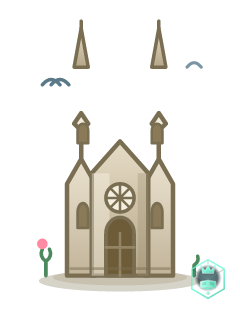 Zagrebačka katedralaThe tallest church building in Croatia and the most monumental Gothic structure south-east of the Alps. Rebuilt in neo-Gothic style after the 1880 earthquake, it holds the tombs of Petar Zrinski and Fran Krsto Frankopan.
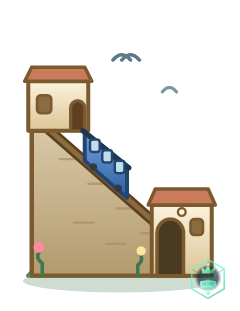 Zagrebačka uspinjačaA funicular opened in 1890 and, with 66 metres of track, one of the shortest public funiculars in the world; the ride takes about 64 seconds. Steam-driven at first, it went electric in 1934.
 Zagrebačko kazalište lutakaThe oldest professional puppet theatre in Croatia, founded in 1948. Its repertoire is built on fairy tales, and since 1968 the city has hosted the international PIF puppet festival.
 Zdenac životaIvan Meštrović's bronze of 1905, set before the National Theatre in 1912. Naked figures ring the spring, showing the cycle of life from youth to an old man staring into the water.
 ZelengajA forest park in Zelengaj, one of 17 in the City of Zagreb and one of those that reach down towards the very centre; it is mostly mixed woodland of sessile oak, beech, hornbeam, lime, chestnut, ash and birch.
 Zonar ZagrebA city hotel of 299 rooms and suites, created by a thorough rebuild of the former Panorama. It has a rooftop pool with a panoramic view, and its relaxation zone was inspired by New York's Downtown Athletic Club.
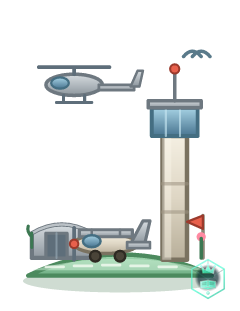 Lučko AirfieldA sports airfield with two grass runways that served as Zagreb's airport from the Second World War until 1959. Aeroklub Zagreb has run it ever since.
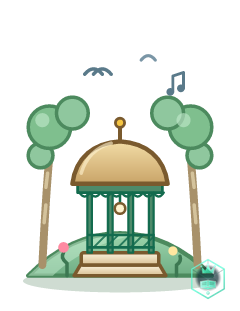 ZrinjevacThe first stretch of Lenuci's Green Horseshoe, laid out in the later 19th century as the city's chief promenade. It is known for its plane trees, the 1891 bandstand and the meteorological column.
More locations in the game
Arena Zagreb · City Center one West · Hipodrom Zagreb · Jarun · Stari Kotač · Velesajam
Nearby cities
Conquer Zagreb with knowledge
The account is free. Take your phone for a walk and start with the nearest landmark.
Create a free account